

For those considering a career as an electrical technician, the path ahead is both stimulating and filled with difficulties. Electricians play a crucial role in ensuring that homes and businesses are powered efficiently and effectively. This profession not only requires a solid understanding of electrical systems but also a commitment to ongoing education and adherence to progressively updated safety standards and building codes. Knowing the intricacies of various electrical systems—from residential wiring codes to the functionality of GFCIs—can set the groundwork for a successful career.
As aspiring electricians embark on their training, they will come across a wide array of topics that are important to their craft. Mastering skills such as troubleshooting common household electrical issues or properly installing new outlets and dimmers is just the first step. Managing the complexities of home automation wiring, understanding the distinctions between different voltages, and being well-versed in safety guidelines are all critical for ensuring both the safety of the electrician and the clients they serve. By accepting these challenges, future electricians can pave their way into a rewarding and dynamic field that is crucial to modern living.
Critical Electrical Wiring Standards
Understanding home wiring codes is crucial for each aspiring tradesperson. Such codes are designed to ensure protection and effectiveness in electric installations. Complying with these regulations helps avoid electric fires, electrocution, and various hazards. Knowledge with local codes and the National Electrical Code (NEC) is essential, as they outline the fundamental security standards that must be complied with for residential and business work.
GFCIs (GFCIs) play a significant role in electrical protection, particularly in areas susceptible to moisture, such as restrooms and cooking areas. Implementing GFCIs helps protect against electrical shocks by interrupting the current if a defect is detected. Electrical professionals must also verify that GFCI protection is correctly installed in compliance with safety standards, making it a key aspect of their training and procedures.
In addition, adequate grounding is crucial in any electric system. It provides a route for excess electricity to move safely to the ground, minimizing the chance of electrical shock. Tradespeople must be well-versed in earthing techniques and the function of grounding conductors within a power supply. Regular inspections for damage in preexisting wiring, especially in antique homes, are also important to maintain security and adherence to codes in electrical installations.
Resolving Frequent Electrical Issues
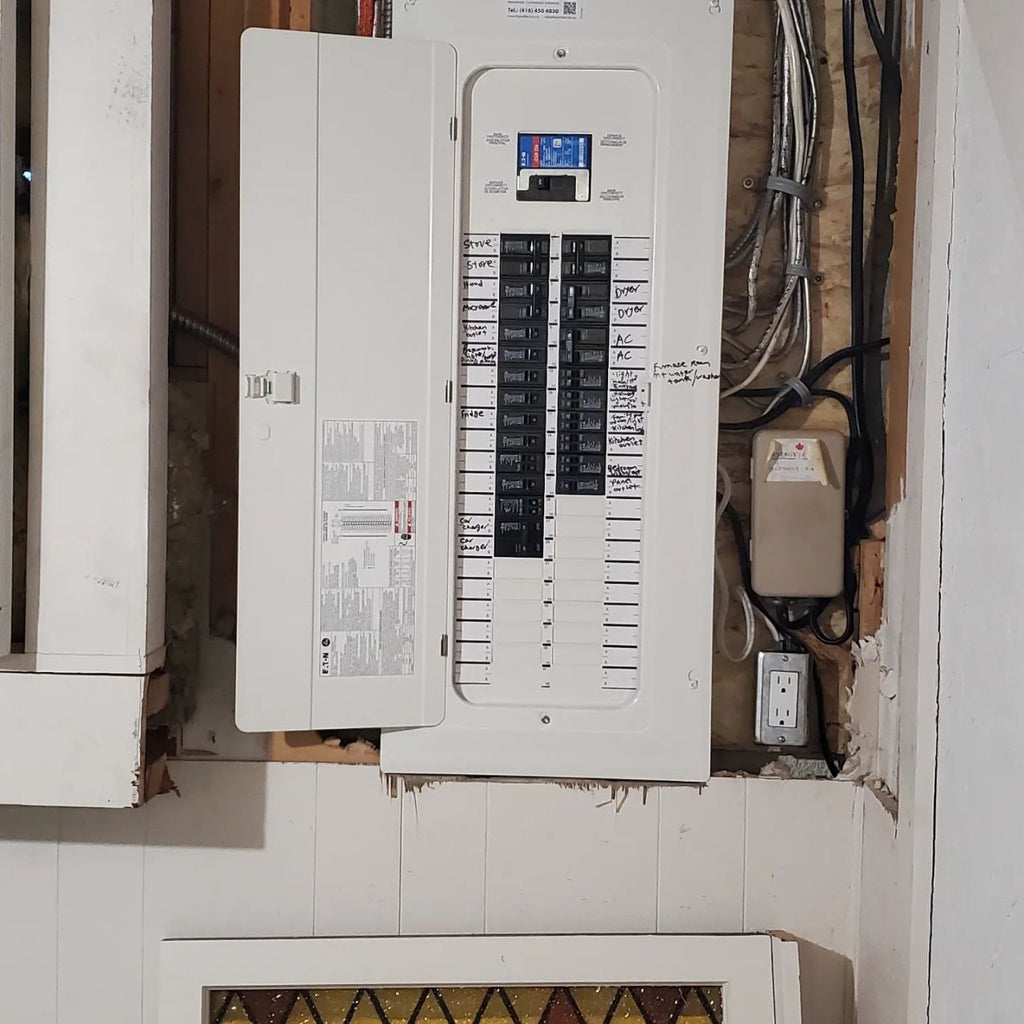
One of the common recurring issues residents face is overloaded breakers. Such issue occurs due to circuit overloads, shorted circuits, or ground faults. When an electrical circuit exceeds its limit, the circuit breaker will shut off to prevent overheating and potential hazards. For troubleshooting, first, determine which circuit is affected by checking the main service panel. Once restarting the circuit breaker, it is important to assess the devices attached to that circuit to ensure they do not exceed the recommended load.
A different frequent problem is flashing lights, often caused to loose connections, fluctuating current, or even defective light bulbs. Start with inspecting the bulb itself to make sure it is securely seated and working. If the issue persists, inspect the light fixture and any wiring. If loose wiring is suspected, it's best to hire a qualified electrician to ensure safety and adherence with electrical codes.
Occasional power issues can cause major frustration. commercial electricians eastbourne from wiring issues, poor connections, or old electrical systems. To address this, start by examining outlets and switches for signs of wear or damage. Additionally, it helps to analyze the main service panel for any signs of corrosion or excessive heat. If problems are detected or if the problem persists, involving a professional electrician is recommended to perform a complete and secure examination of the entire system.
Advanced Wiring for Contemporary Uses
As tech continues to evolve, the need for advanced home solutions is on the increase. Electricians must be armed with the understanding and abilities to set up and manage advanced wiring systems designed for smart applications. This involves grasping how to combine various smart devices with existing power infrastructures, ensuring that homes are not only functional but also prepared for future technological advancements. Acquaintance with the latest protocols and standards is vital for ensuring seamless connectivity among smart devices.
Another critical aspect of smart wiring includes optimizing the electrical load for modern technology. Electricians need to develop circuits that can handle numerous smart home devices, which often demand steady power. This means reviewing the existing wiring systems and potentially modernizing them to support increased loads. Being aware about load calculations and the necessity of dedicated circuits for power-hungry appliances will provide homeowners with confidence and enhance the overall effectiveness of their electrical systems.
Finally, security remains a top priority when engaging with smart wiring uses. Electricians must follow to local codes and safety standards, especially when setting up devices that are connected to the web or rely on high-tech technology. Incorporating safety features like GFCI/AFCI protection is crucial in preventing electrical hazards. Electricians should stay aware about the most recent updates in codes and industry standards to ensure that every setup is both secure and in accordance, ultimately protecting both the homeowner and the technology being installed.